بسم اللّٰهِ الرحمن الرحيم
Awaken the Knowledge of Love, Reverence & Respect for the Holy Relics in Islam
“I profess the religion of Love, Love is my religion and my faith. My mother is Love, My father is Love, My Prophet ﷺ is Love, My God is Love, I am a child of Love, I have come only to speak of Love.”
Our Mission
Ehtram's primary goal is to encourage and educate anyone who wants to regain and hold on to the traditional wisdom that is being lost from our hearts, minds, and literature. We offer support, education, materials, and information awareness to those blessed people of this Ummah who have been chosen to be curators of the Islamic Relics (Tabarukaat).
Our service is always free of charge, and wherever possible implements, tools and items are provided free of cost. Where an item must be made to order, only its actual cost is met by the custodian.
Our Projects
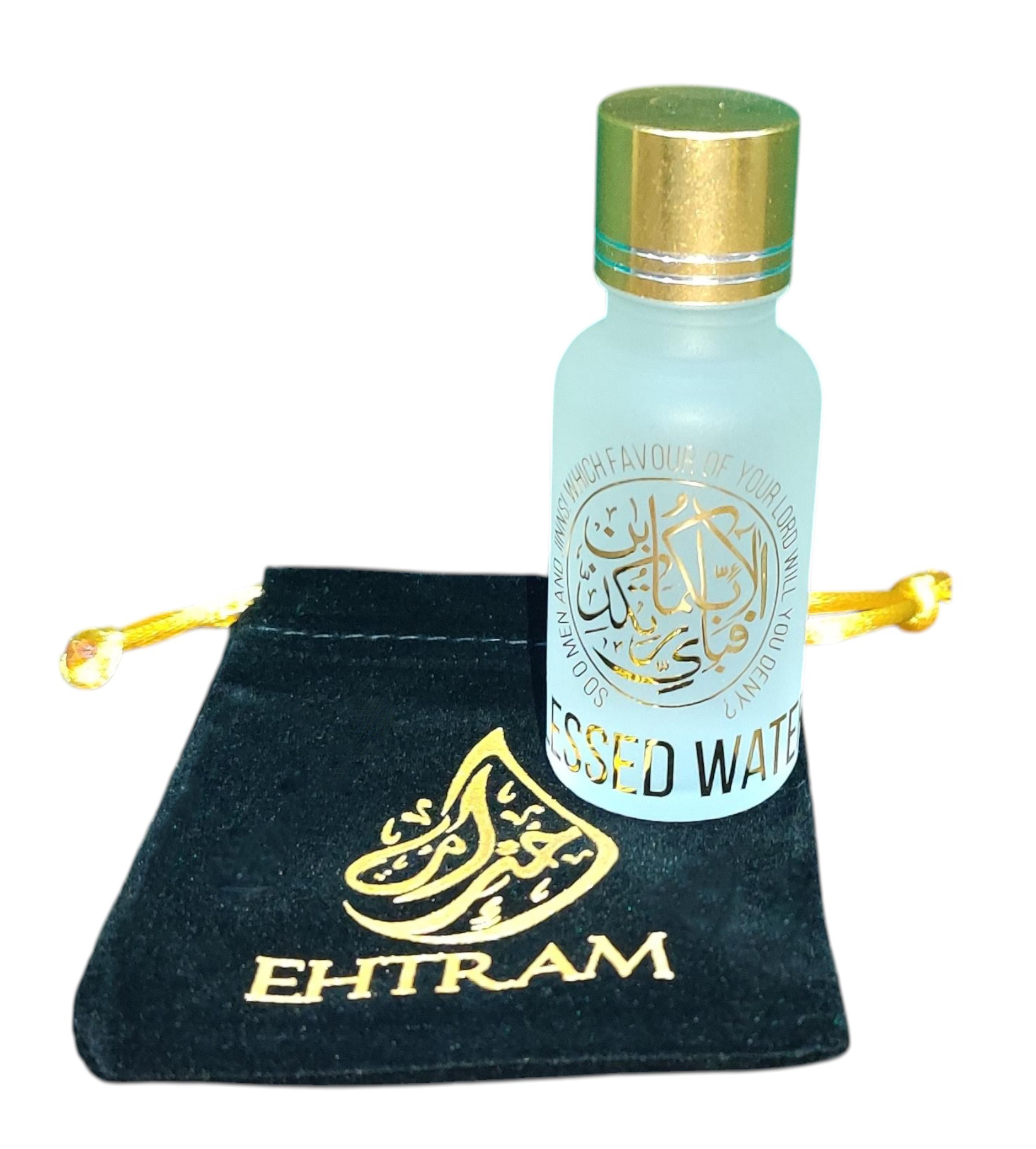
Blessed Water
Custom bottles crafted with reverence for blessed Zamzam water and sacred waters made available to the Ummah. Provided free of charge.
Learn more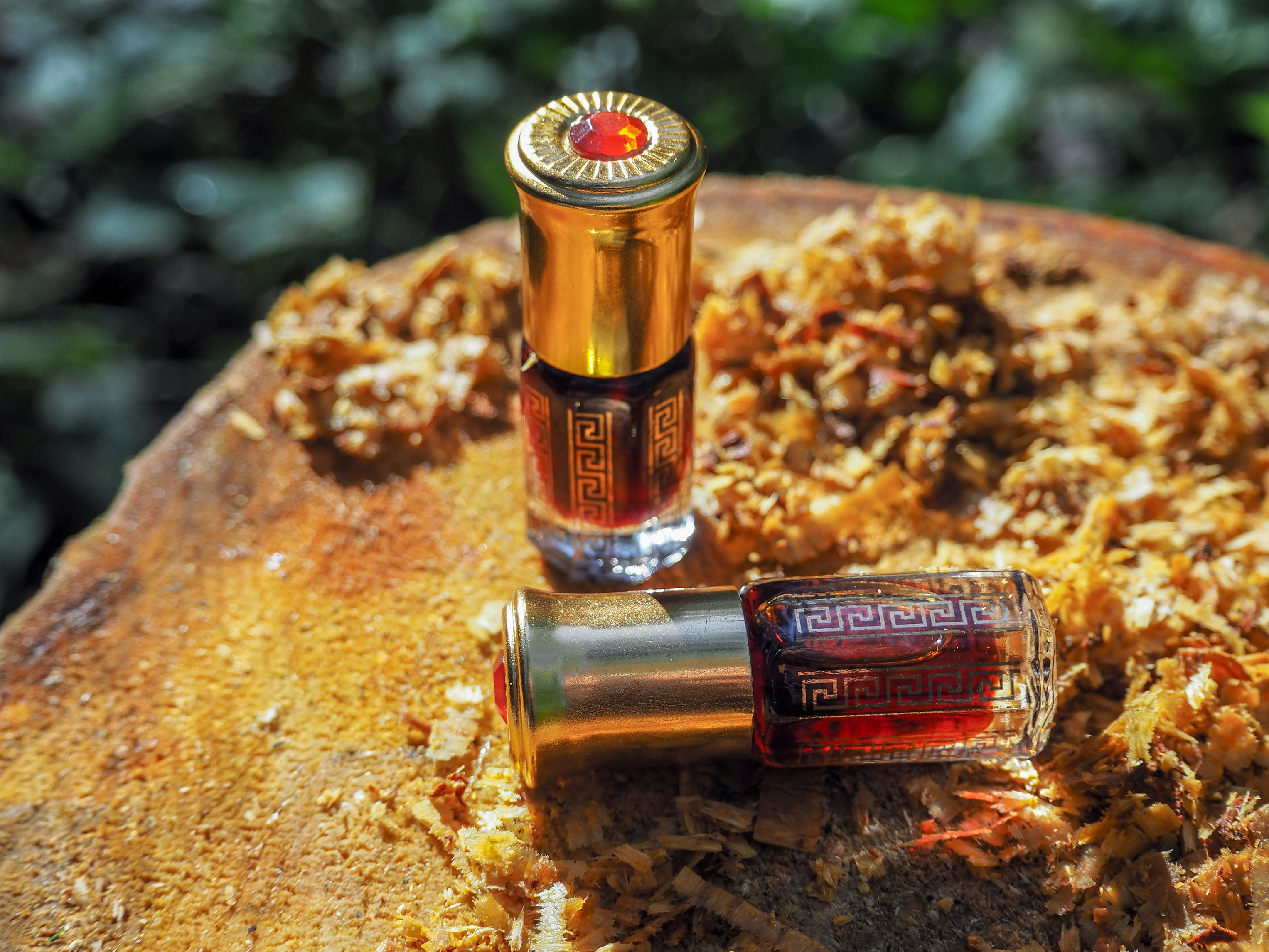
Essential Oils
100% certified pure essential oils and ittar blends for use with Islamic Relics: Sandalwood, Frankincense, Rose, Cedarwood, and Oud.
Learn more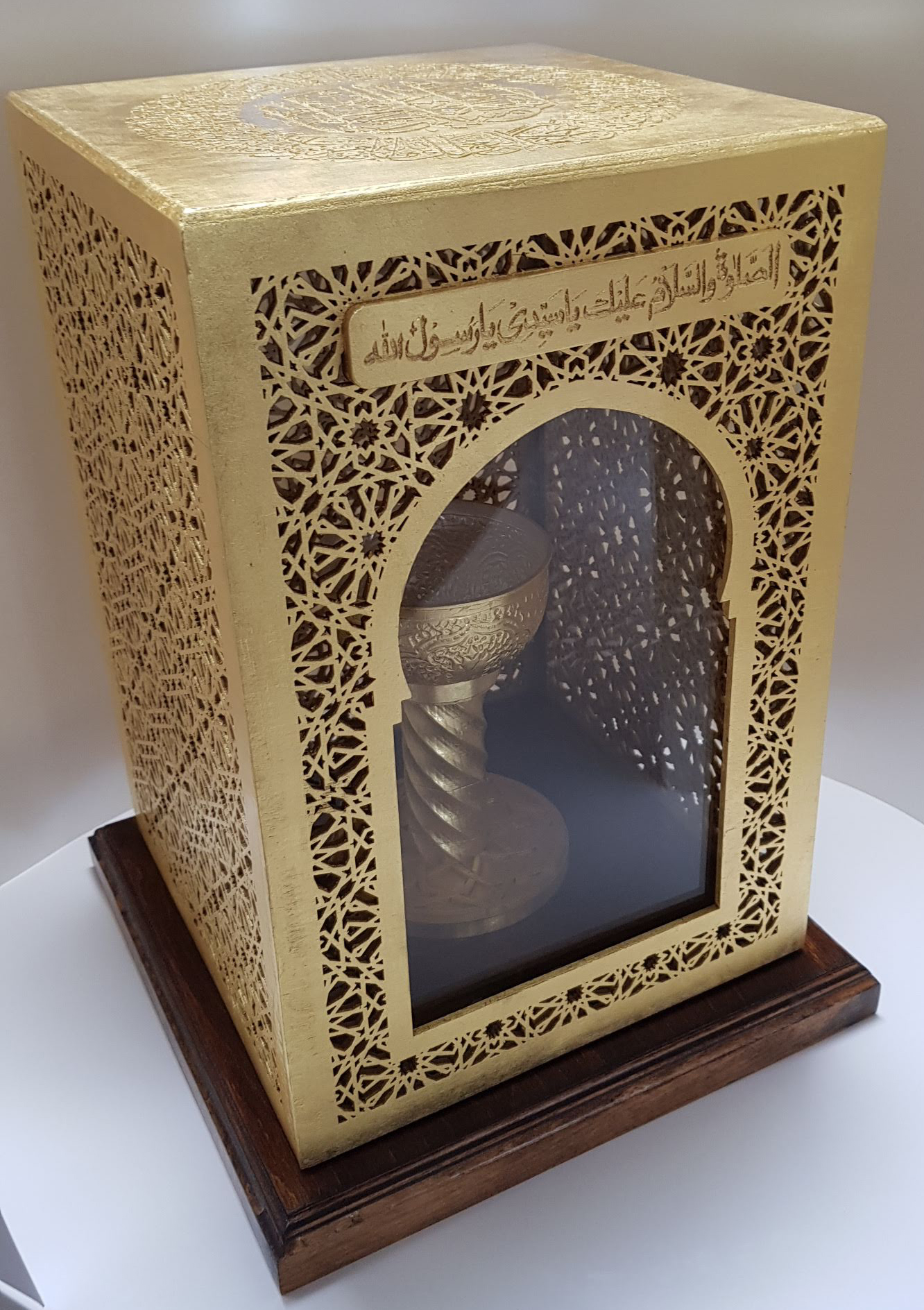
Cases & Frames
Cases and frames for the blessed trusts in our Ummah's care, including Koli Shareef, Ghilaf-e-Kaaba and Roza Mubarak pieces. Serving custodians since 2007.
Learn more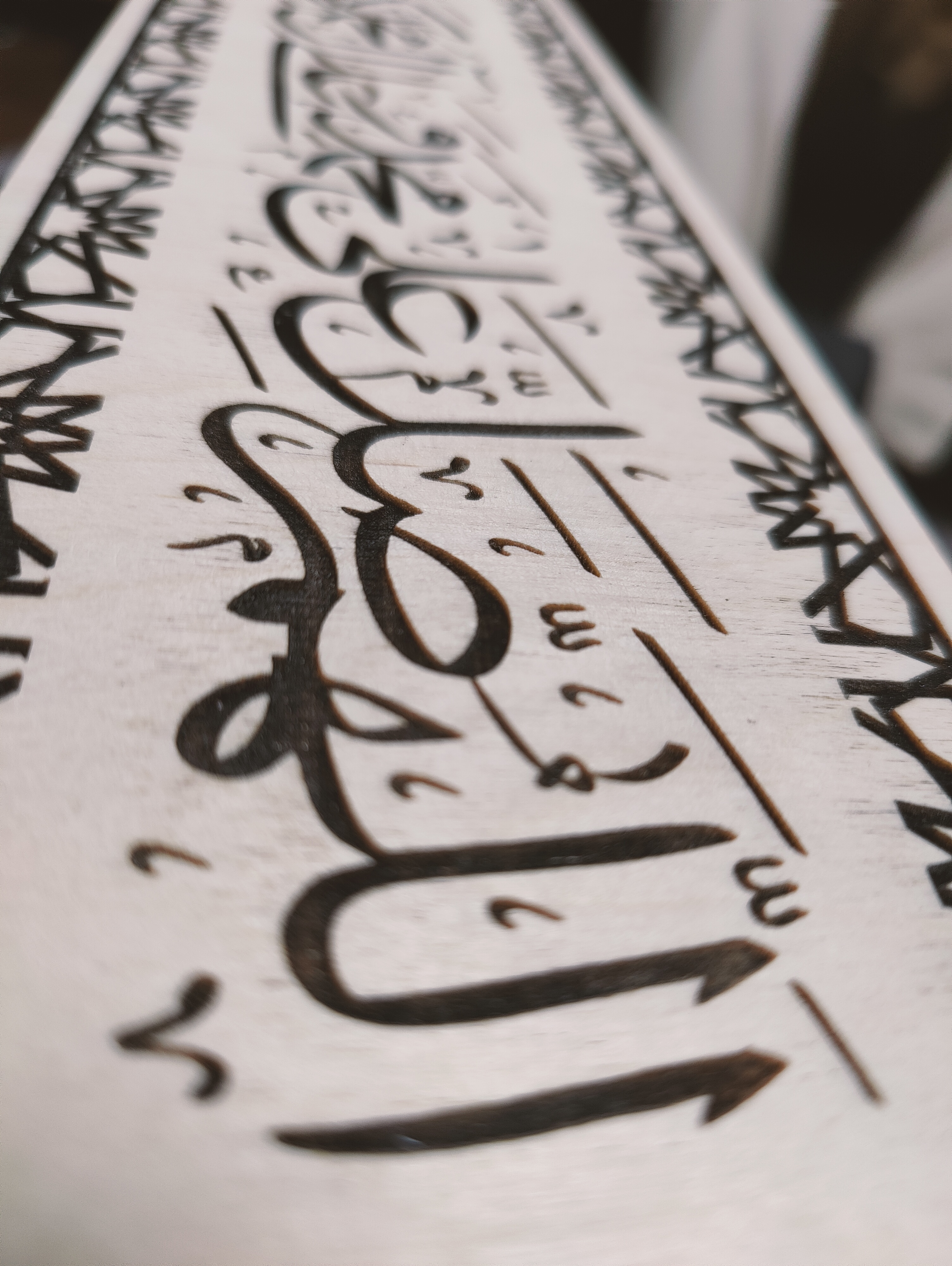
Support & Sourcing
Ittar, wax, cleaning products, and the specialist tools needed in the care of the Holy Relics. We also help source whatever else a custodian may need.
Learn moreKnowledge Corner
Explore articles on the honour of custodianship, the meaning of Baraka, guidelines for Ziyarah, and the traditions of seeking blessings from the Prophets and the righteous.
Explore Articlesاحترام
Ehtram — Respect & Reverence
Arabic
Iḥtirām — Respect
Urdu
Eḥtrām — Reverence
Persian
Eḥterām — Respect
Ehtram in its essence is the most basic factor of being a human being: to respect one another, to respect another's property, rights, and opinions. For a Muslim, Ehtram is especially important when the subject is our religion, religious texts, or religious artifacts associated with the Prophets and pious predecessors.
Frequently Asked Questions
Ehtram (from احترام, meaning respect and reverence in Arabic, Urdu and Persian) is a nonprofit initiative. We educate and support the custodians of Islam's Holy Relics (Tabarukaat) so they can be cared for with the highest reverence and respect, offering support, education, materials and information awareness. This includes custom vessels for blessed and Zamzam water, certified pure essential oils, and protective cases and implements for relic care. Our service is always free of charge and we provide items free of cost wherever possible; where an item must be made to order, only its actual cost is met by the custodian. We do not engage in commercial activity with sacred items. Our purpose is to serve the Ummah and to help revive the traditional wisdom of love, reverence and respect for the Holy Relics. Ehtram is managed by IntegratedLiving.co.uk.
What is Ehtram?+
Ehtram is a nonprofit initiative. We educate and support the custodians of Islam's Holy Relics (Tabarukaat), and our goal is to encourage and educate anyone who wants to regain and hold on to the traditional wisdom of love, reverence and respect that is being lost from our hearts, minds and literature. The name 'Ehtram' means respect and reverence across Arabic, Urdu and Persian.
Are you a nonprofit, and are your items really free?+
Yes. We are a nonprofit initiative. Our service is always free of charge, and we provide items, implements, tools and materials free of cost wherever possible to custodians and those serving the Holy Relics. Where an item must be made to order or purchased, such as a bespoke case or box, only the actual cost of that item is met by the custodian, and we take no profit from it. We do not engage in commercial activity with sacred items. Our sole purpose is to serve the Ummah by ensuring the Holy Relics are cared for with the highest levels of reverence and respect.
What do you provide to custodians of Holy Relics?+
We run four main projects: Blessed Water (custom vessels for Zamzam and other sacred waters), Essential Oils (100% certified pure ittar and fragrance blends such as Sandalwood, Frankincense, Rose, Cedarwood and Oud for Islamic Relics), Cases & Frames (cases and frames for blessed trusts, including Koli Shareef, Ghilaf-e-Kaaba and Roza Mubarak pieces), and Support & Sourcing (ittar, wax, cleaning products, specialist tools, and help sourcing whatever else a custodian may need). We also offer knowledge resources on custodianship, Barakah, Ziyarah and related topics. Our service is provided free of charge. Where an item must be manufactured or purchased, the cost of that item is met by the custodian.
How can I request support or items as a custodian of Holy Relics?+
Please get in touch through our Contact page. Whether you are a custodian seeking support, or wish to learn more about our work, we would love to hear from you. The contact form includes subject options for Blessed Water Bottles, Essential Oils, Cases & Frames, Support & Sourcing, Custodian Support, and Knowledge & Education. You can also reach us via WhatsApp on +44 (0) 776 786 4 786.
What is Tabarruk (seeking blessings), and how do you teach it?+
Our Knowledge section teaches that barakah is created by Allah عز وجل alone, while means are honoured by His permission, and that proper tabarruk requires sound belief, an authentic basis, humility and strict adab. These points are covered in our articles 'Barakah Comes from Allah عز وجل Alone', 'Adab of Tabarruk (Seeking Blessing)' and 'Seeking Blessings from the Prophets, the Righteous and Their Relics'.
What is the proper adab (etiquette) for Ziyarah of blessed relics?+
Our knowledge article 'Adab in Ziyarah: Presence, Silence, and Respect' teaches that Ziyarah requires clarity of creed, purity of intention, and disciplined conduct: presence, silence, and reverence before what is sacred. Specific preparation for visiting the blessed hair relic (Zulf Mubarak) is covered in our article 'Guidelines for Ziyarah of the Blessed Zulf Mubarak', and practical guidance for Masajid hosting a Ziyarah is available in our Guidance section.
Why is being a custodian of the Holy Relics described as a responsibility rather than a privilege of status?+
We teach that sacred custodianship is an amanah, not a matter of prestige. It carries a burden of responsibility, adab and accountability before Allah عز وجل. This is set out in our knowledge articles 'Why Custodianship Is an Amanah, Not Prestige' and 'The Honour of Custodianship of Sacred Relics'.